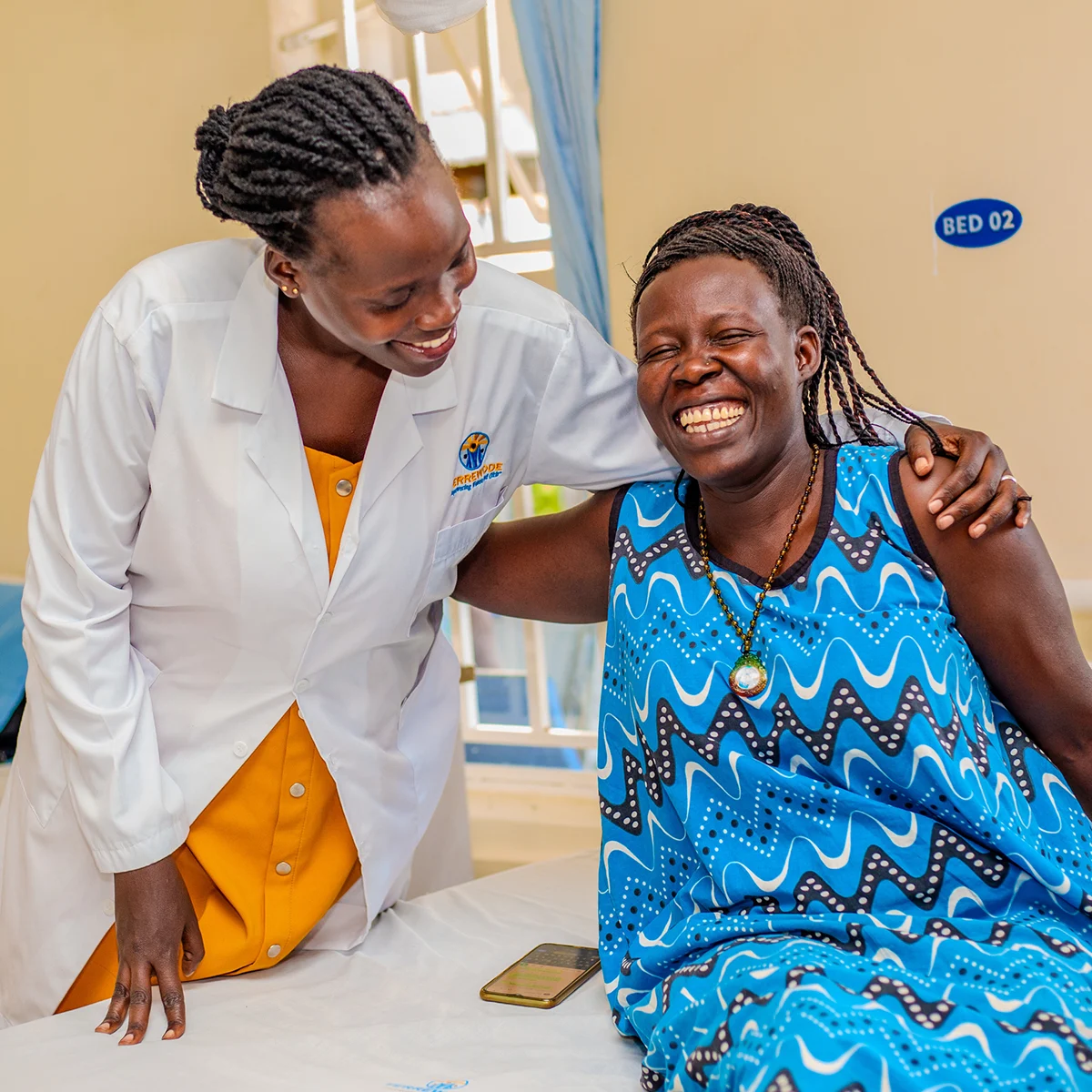
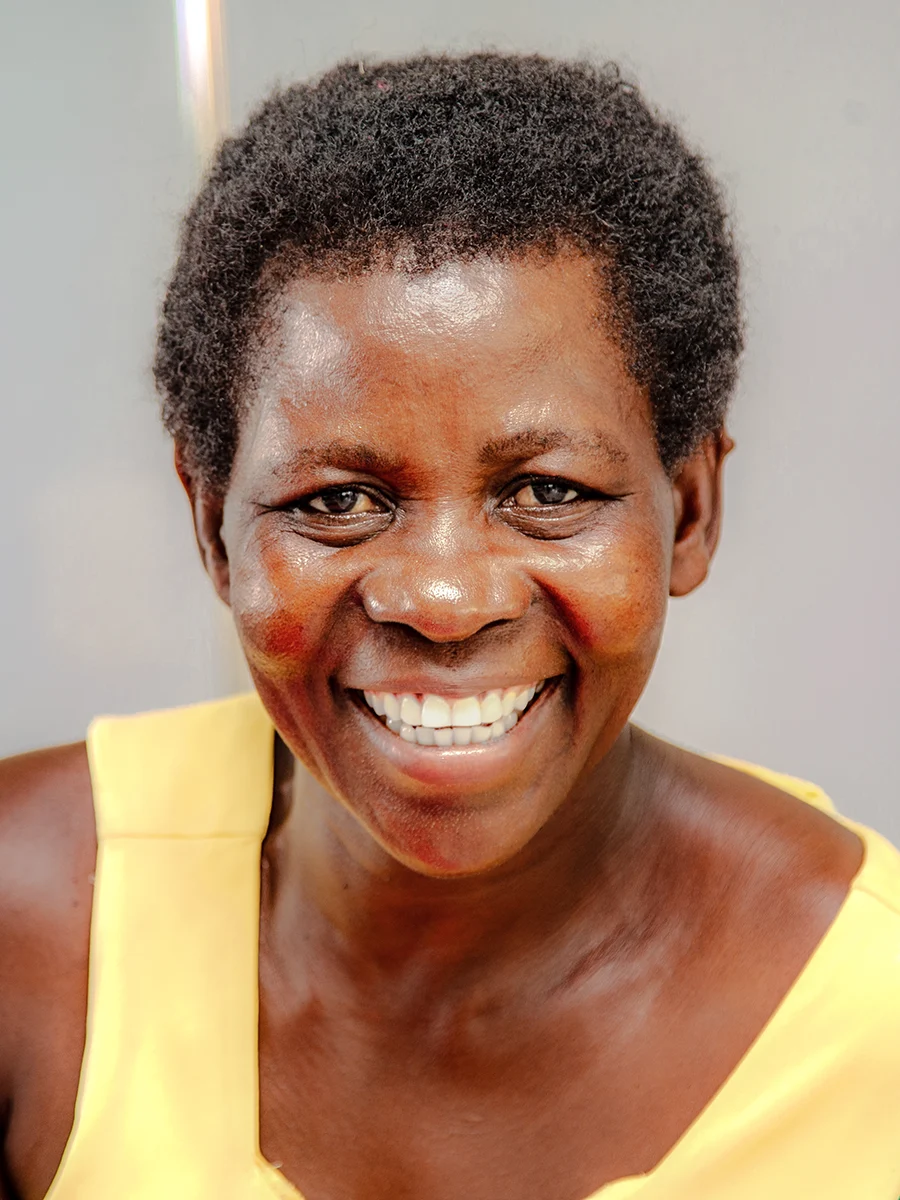
Obstetric fistula and severe perineal tears can develop during long, complicated labor and when emergency care isn’t within reach, a reality for many women in rural East Africa who give birth far from medical facilities. These injuries can often be repaired with a single surgery, restoring health and opening the door to new opportunities.
Yet across Kenya, Tanzania, and Uganda, women face incontinence, social isolation, and stigma while barriers to care remain. Shortages of trained providers, limited access to care, long travel distances, and a lack of information about available services keep care out of reach for many women.
Expanding access requires more than making surgery available. Women who need care must be reached, connected to care, and supported through treatment. Fistula Foundation partners with local hospitals and care providers across Kenya, Tanzania, and Uganda to reach women in need of care, coordinate travel, and deliver treatment.
The organization also trains surgeons and nurses, expands referral networks, and conducts community education and awareness efforts that reduce stigma and build trust with women and their families — so more women know treatment is available and recovery is possible. Together, these efforts are helping more women receive care today while ensuring more women can receive care in the future.
Measurable Impact Across East Africa
In 2025, Fistula Foundation provided more than 5,000 surgeries to repair obstetric fistula and severe perineal tears across Kenya, Tanzania, and Uganda. Ninety percent of these surgeries successfully restored women’s health, enabling them to return to family, work, and daily life.
To reach more women with treatment, Fistula Foundation also trained 40 surgeons and 182 nurses and expanded community education and awareness efforts across the region.
Lasting Opportunity for Women and Families
By expanding access to surgery and training local care teams, Fistula Foundation is making treatment available to more women across East Africa. As more women learn that these injuries can be treated and recovery is possible, longstanding barriers to seeking care begin to fall — and fewer will have to live years with injuries that can be repaired.
The impact extends far beyond the operating room. When women regain their health, they can return to school, earn income, and care for their families. As access to treatment expands, more women across East Africa can do the same.