The Power of a Phone Call: Transforming Community Health in Travis County
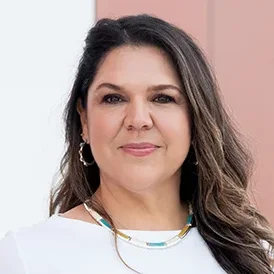
Brenda Garza
Community Health Worker
Published September 5, 2025
Overview
Brenda Garza’s team connects patients to primary care and community resources — meeting needs early to help reduce preventable ER visits.
Impact
Phone-based patient outreach reaches 13x an in-person baseline, expanding access while keeping the personal connection that makes care work.
I’ve seen how a single phone call can change a life. I worked with a man who was about to sell his car to pay off a daunting $6,000 medical bill. But that car was his way to work — without it, he could lose his job. Over the phone, we unpacked the statement together and mapped a plan to ask about options to lower the bill. After that call, his bill dropped to $300. He told me, “I didn’t think I could do that.” He kept his car and his job, and he’s able to better access community resources for his family, including food assistance.
Stories like his are more common than people realize. Since July 2024, my team of community health workers has supported over 1,700 Central Texans through the Accountable Health Communities (AHC) pilot in Travis County. Engagement can be challenging in many community health programs, but 77% of patients we call say yes to screening — and nearly everyone we screen let us navigate with them through support. That kind of trust goes a long way, and the numbers prove it.
A Phone-Based Model for Connected Care
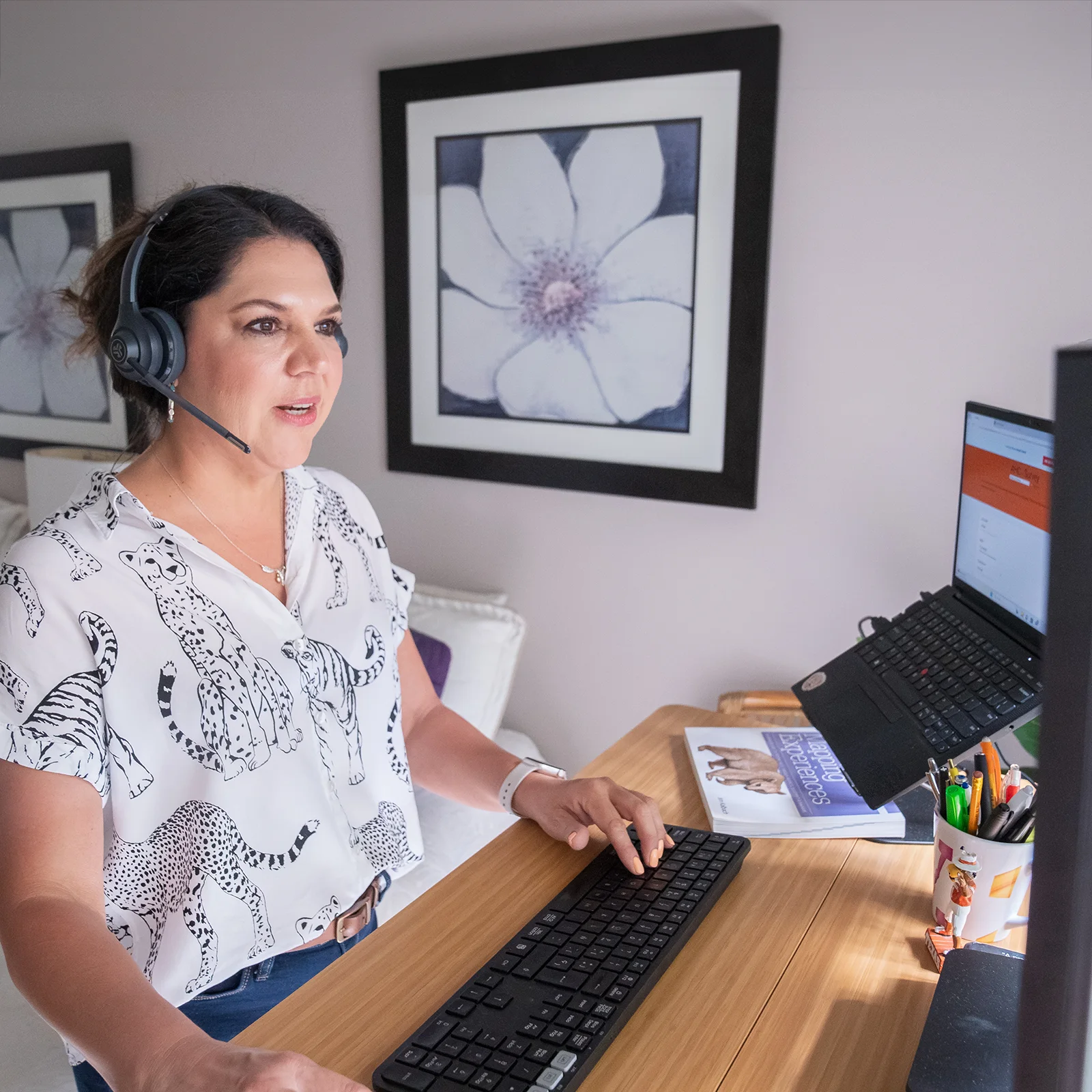
Our approach is simple yet powerful: we connect by phone, listen to what people need, and link them to the right support – whether it’s food, housing, primary care, or transportation. The phone-based model sets us apart. It’s flexible, personal, and helps people connect with us on their own terms. And because it scales, each community health worker on my team calls over 150 patients every month — far more than we could in person.
Reliability is key to building trust with patients. If I say I’ll call Tuesday at 2 p.m., I do. With that trust, we assess health and social needs, make referrals to community services, and follow through to make sure they get the support. Data supports every step, helping us track progress, stay accountable, and continually refine our approach.
Support Beyond Medical Care
For us, health isn’t just hospitals and prescriptions — it’s knowing you deserve support, and that someone’s in your corner. We’re showing that care can still be personal, even when you’re reaching more people than ever.
More communities need programs like this. The need is everywhere, and one call can change everything.
We use cookies to understand how you use our site and to improve your experience. By continuing to use our site, you accept our use of cookies, our Privacy Policy and Terms of Use.